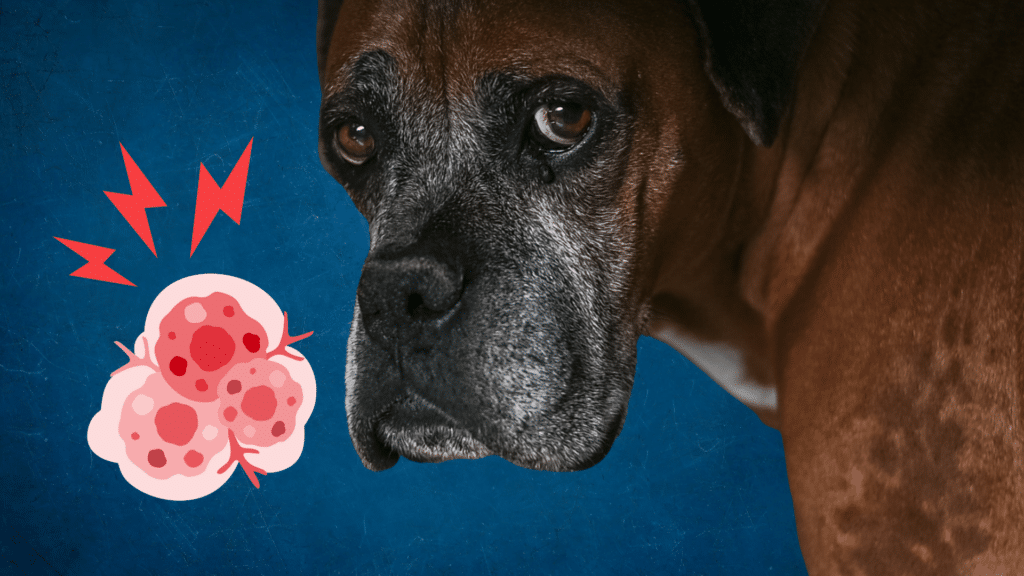
Your dog may be more interested in their next treat than the small bump you just discovered beneath their coat. For you, though, that lump can raise immediate concerns about cancer in dogs. A growth is worth investigating even when your pet seems comfortable.
If you notice a new lump on your pet in Plantation, FL, an examination with Premium Vet Care can replace guesswork with a plan for finding out what it is.
Different Conditions Can Cause Similar Bumps
A lump may come from a cyst, fatty tissue, inflammation, infection, or a cancerous growth. Benign masses do not invade neighboring tissues or spread to distant parts of the body, although they can cause problems if they grow or become irritated. Any bumps on your dog are worth getting checked because, according to the American Veterinary Medical Association, the chances of a dog getting cancer at least once in their life is 1 in 4.
Watch Your Dog as Well as the Lump
Report new bumps and changes in existing ones, including enlargement, bleeding, irritation, or an open sore. Other possible signs of cancer in dogs include weight loss, nonhealing wounds, unusual bleeding from the nose or mouth, difficulty breathing, lethargy, and changes in appetite. These symptoms can have other causes, so they do not confirm cancer by themselves.
Mention any persistent change in your dog’s daily routine when contacting your Plantation veterinarian, even if you cannot connect it to the growth.
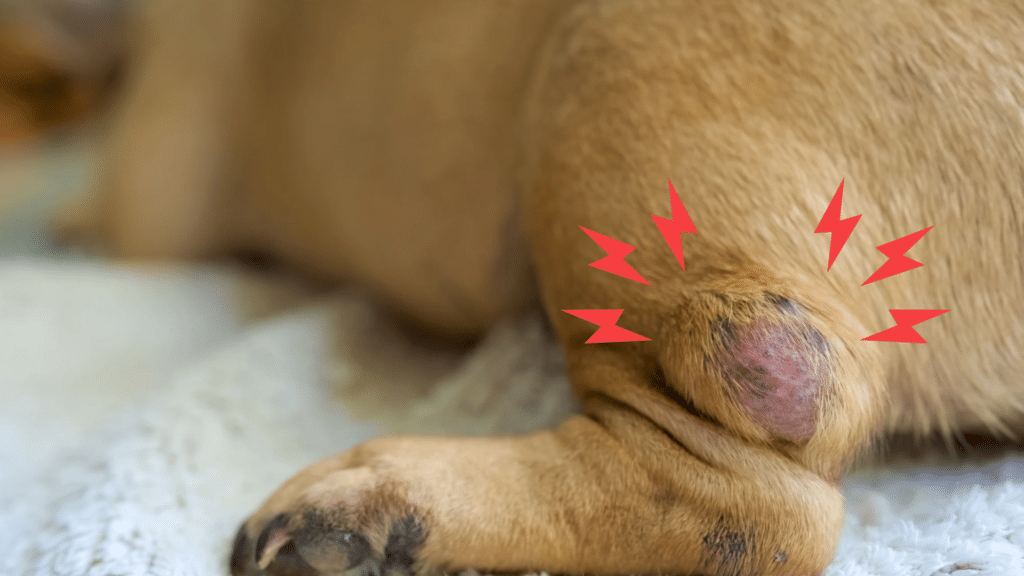
Finding Out What a Mass Contains
When you discover a lump, note its location and approximate size, along with when you first noticed it. Your veterinarian at Premium Vet Care will examine your dog and ask about changes in the mass, your pet’s medical history, and any other symptoms. Looking at or feeling a growth cannot reliably determine whether it is cancerous all of the time.
A veterinarian may recommend a biopsy or other testing for your dog’s bump. Those results can guide recommendations for what to do next.
Keep Home Checks Consistent
Choose a quiet moment to run your hands lightly over your dog’s body, checking beneath the coat for new growths. Include the head, mouth, neck, chest, belly, and legs, without squeezing or repeatedly pressing a growth.
Stop if your pet becomes tense, pulls away, or seems painful. Keep notes or photographs of new findings so that they can be shared with a veterinarian.
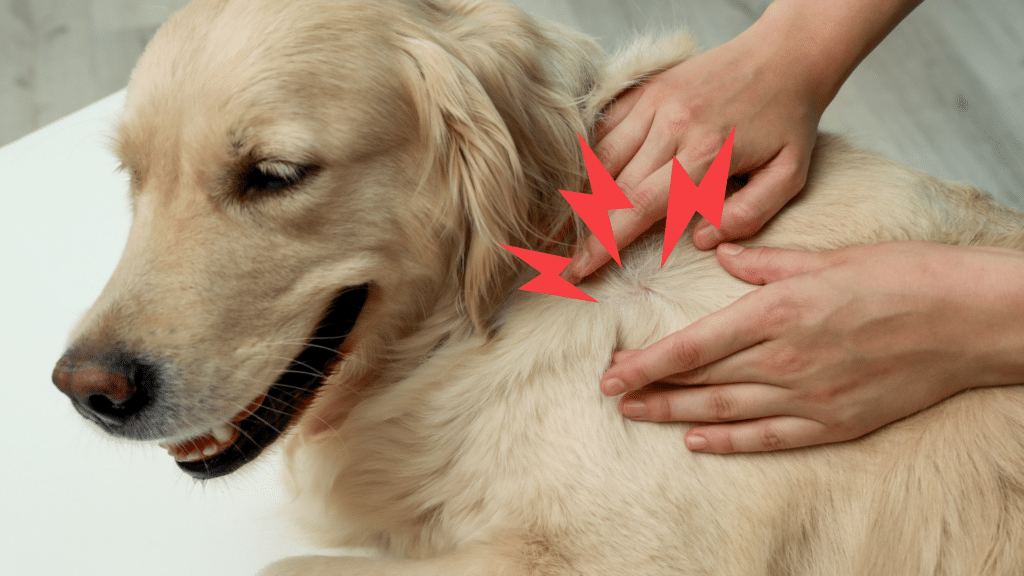
Some Cancers Do Not Form Visible Lumps
Certain types of cancer in dogs affect internal organs or blood cells without producing a bump you can see or feel. Persistent changes in weight, appetite, activity, or behavior deserve an exam even when the skin looks normal. You do not need to discover a mass before raising concerns about your dog’s health. Describe what has changed so your veterinarian can decide which next steps are appropriate.
Arrange a Veterinary Evaluation in Plantation, FL
Premium Vet Care offers in-clinic and mobile veterinary care for dogs from Plantation, Weston, Davie, and nearby areas. If you have noticed a growth on your pet, book a visit to have them examined. Clear information gives you a starting point for decisions about your dog’s care.